You hear scratching in your attic at night. You call someone to trap the squirrel. It stops for a few weeks. Then the noise comes back. This isn't a coincidence. It's how trapping-only approaches fail against squirrels.
The Trapping Trap
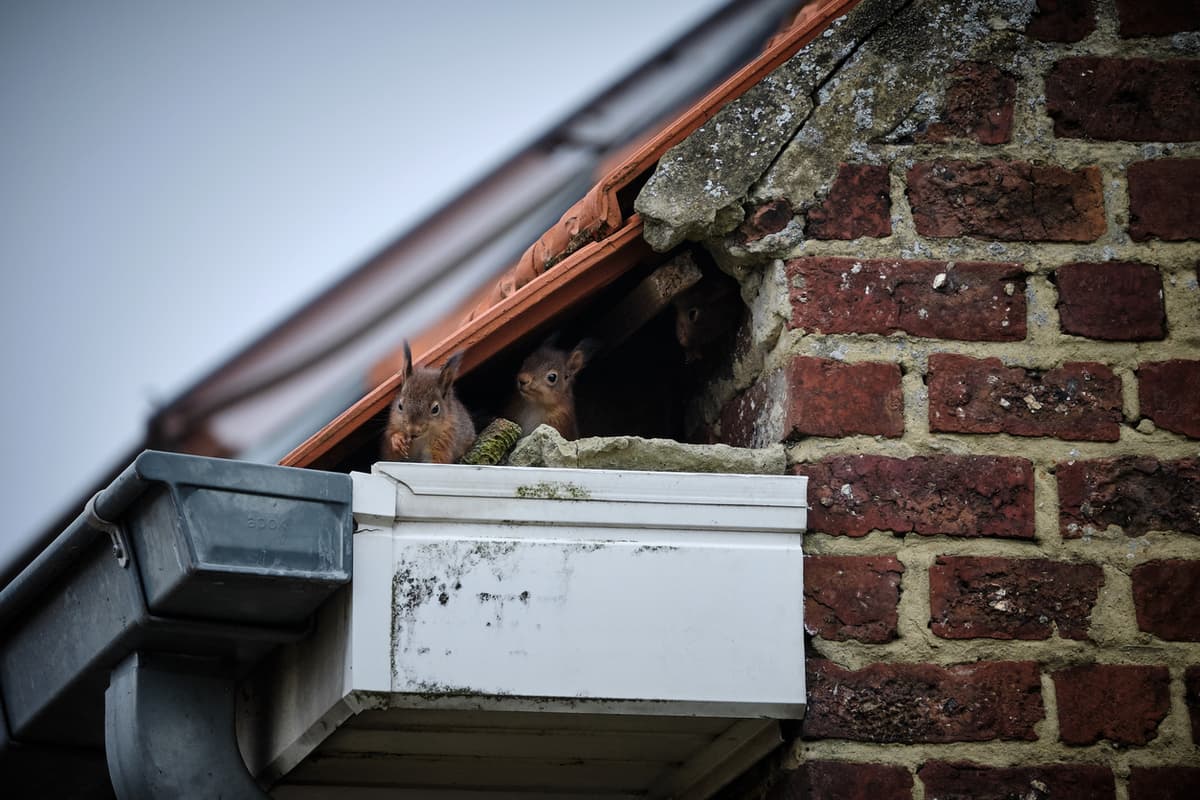
Traps remove one squirrel from your attic. But they don't fix what brought it there in the first place: an entry point. Your home has a hole or gap squirrels can fit through. So even after trapping, new squirrels find that hole and move in.
This is why you see the pattern:
- Hear squirrels in attic
- Trap and remove squirrel
- Problem goes away for 2-4 weeks
- New squirrels arrive through the same hole
- Repeat the cycle (and the cost)
Squirrels Are Attracted to Your Attic Because
- Shelter: Attics are dry, warm, and protected from predators. Perfect nesting sites.
- Insulation: Shredded insulation makes ideal nesting material for baby squirrels in spring.
- Food Proximity: If trees are close to your roof, squirrels can easily access your attic.
- Easy Access: Any roof vent, crack, or gap larger than an inch is an entryway.
Why Trapping Alone Fails
Trapping addresses the symptom (the squirrel in your attic) but not the cause (the entry point). It's like bailing water out of a boat with a hole— you can keep bailing, but it keeps filling up again.
Squirrels are also smart and persistent. A female may try 10 entry points before moving on. If you have one accessible hole, she'll find it, nest, and have babies in your attic.
The Real Solution: Exclusion
Professional exclusion stops squirrels permanently by removing the invitation. Here's how it works:
- Inspection: A licensed specialist finds every entry point—roof vents, soffit gaps, poorly sealed pipes, damaged fascia.
- Removal: Any squirrels in your attic are safely removed using one-way doors (humane, legal, and effective).
- Sealing: All entry points are sealed with heavy materials squirrels can't chew through (metal, concrete, hardware cloth).
- Cleanup: Contaminated insulation is removed and replaced. Odors and nesting material are cleaned up.
- Verification: Follow-up inspection ensures all entry points are sealed and no squirrels remain.
After exclusion, squirrels can't get in. No entry point means no new infestations. Problem solved—permanently.
Cost: Trapping vs. Exclusion
Yes, professional exclusion costs more upfront than a single trap call. But consider:
- One trap call: $150-300
- Repeat calls over 5 years (every 2-4 weeks): $2,000-5,000
- Insulation damage and replacement: $1,000-3,000
- Wiring damage (fire hazard): $500-2,000+
- Professional exclusion: $800-2,000 (one time)
Exclusion isn't expensive—it's cheaper than the cycle of repeated infestations and damage.
What to Do If You Have Squirrels Now
If you're currently hearing squirrels in your attic, don't just trap. Trapping is part of the solution, but it needs to be paired with exclusion. Licensed wildlife specialists can:
- Identify the animal (is it actually squirrels or something else?)
- Find all entry points
- Remove animals humanely
- Seal everything permanently
- Restore damaged insulation
- Document the work so you can submit it to homeowner's insurance
The Bottom Line
Squirrels come back because the entry point is still there. Trapping stops the noise temporarily. Exclusion stops it permanently. If you're dealing with recurring squirrel problems, the answer isn't more traps—it's finding and sealing every way squirrels can get in.
Ready to Stop the Cycle?
A professional assessment identifies all entry points and the scope of an exclusion plan. Request an evaluation with a licensed specialist.
Request Residential Assessment